

Table of Contents
- What an Impact Screen Actually Changes in a Home Simulator
- The 6 Things That Matter Most When Choosing an Impact Screen
- How Impact Screens Affect Home Practice Quality
- Standard, Premium, or Retractable: Which Direction Fits Best?
- Common Impact Screen Mistakes That Hurt the Setup
- Best Next Step Based on Your Setup Goal
- FAQ
- Conclusion
Home Golf Screen Guide
Golf Simulator Impact Screen: How to Choose the Right Screen for Home Practice
A golf simulator impact screen does much more than catch golf balls. It shapes image quality, noise level, rebound control, room safety, and how realistic the simulator feels during practice. A great launch monitor can still feel disappointing if the screen is too loud, too loose, too dim-looking, or poorly matched to the room.
The right impact screen helps turn a home setup into a cleaner, more believable, and more comfortable place to practice. It should absorb impact well, display a clear image, and work smoothly with the enclosure, projector, and room dimensions you already have.
If you want to compare the main commercial options first, start with
simulator screens,
retractable simulator screens,
enclosures,
and
projectors.
Quick answer
The best golf simulator impact screen for home practice is one that fits your room size, image needs, noise tolerance, and enclosure setup. A strong screen should give you good image clarity, reduce harsh rebound, manage impact noise, and stay stable enough for regular indoor use.
What an Impact Screen Actually Changes in a Home Simulator
An impact screen does not improve the raw shot data coming from your launch monitor. What it improves is the environment around that data. It affects how clean the projected image looks, how safe the room feels, how loud the setup becomes, and how natural the hitting experience is from swing to finish.
That is why impact screens matter so much for home practice. A better screen makes it easier to trust what you see, stay comfortable during longer sessions, and turn simulator time into something you actually want to repeat.
A good impact screen usually improves…
- image clarity
- room safety
- noise control
- rebound behavior
- overall simulator feel
A weak impact screen often creates…
- washed-out visuals
- too much bounce-back
- harsh noise
- more room exposure
- a setup that feels less premium than it should
The 6 Things That Matter Most When Choosing an Impact Screen
1. Material quality
Material affects durability, image presentation, and the way the screen absorbs energy. A good material should handle repeated ball strikes without breaking down too quickly while still keeping the projected image clear enough for a believable simulator experience.
2. Rebound control
One of the biggest user-experience issues in a home simulator is bounce-back. A strong screen helps manage impact energy more smoothly so the ball response feels safer and less disruptive.
3. Image quality
A screen should not only survive impact. It should also display a clean, convincing image. If the surface does not work well with the projector, the room can feel flat, dull, or less realistic than expected.
This is why the screen should always be considered together with
projectors
and, in many rooms,
short throw projectors.
4. Noise level
Noise matters more in home setups than many buyers expect. A screen that is too loud can make the room less enjoyable, especially in garages, shared spaces, or evening practice sessions.
5. Size and aspect fit
The right screen size is not just a visual decision. It affects room balance, swing confidence, projector fit, and enclosure compatibility. A badly sized screen can make the whole room feel wrong even when the rest of the equipment is strong.
6. Tension and mounting stability
A screen needs enough tension to stay visually clean without becoming overly harsh on impact. Poor mounting or poor tension often leads to wrinkles, weaker image quality, and less controlled performance over time.
| Factor | Why it matters | What usually goes wrong |
|---|---|---|
| Material | Shapes durability and image behavior | Premature wear or weak visuals |
| Rebound control | Protects safety and comfort | Too much bounce-back |
| Image clarity | Improves immersion and usability | Dull or muddy projected image |
| Noise | Affects home comfort | Setup feels too harsh indoors |
| Size fit | Keeps room geometry clean | Wrong screen-room balance |
| Tension | Supports image quality and screen behavior | Wrinkles, instability, poor impact feel |
How Impact Screens Affect Home Practice Quality
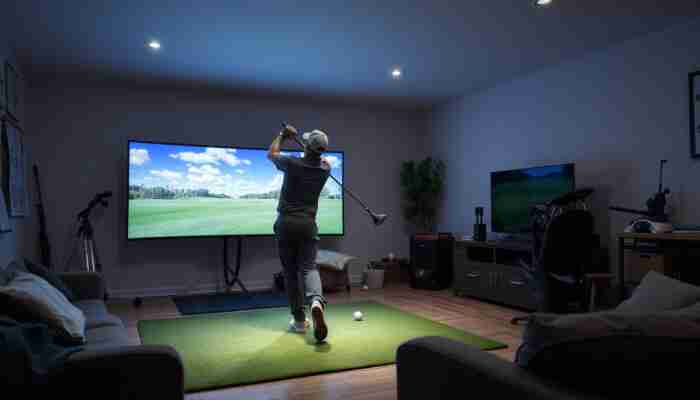
Home practice improves when the room feels repeatable. That means the visual layer is easy to read, the sound is manageable, and the ball reaction does not make you hesitate. A good impact screen helps create that kind of repeatable environment.
This is especially important when you practice often. Over time, small annoyances become major limitations. If the screen is too loud, too wrinkled, too reflective, or too unstable, you stop enjoying the setup as much. If it feels solid and comfortable, you are much more likely to keep using it.
A strong home-practice screen should help you…
- see the projected shot clearly
- hit with confidence
- practice longer without screen noise becoming irritating
- trust the room setup more over time
- keep the simulator feeling like a real training space
Standard, Premium, or Retractable: Which Direction Fits Best?
The right answer depends on the room and how often you use it. Some golfers want the cleanest value path. Others want stronger image quality and more refined impact performance. In shared spaces, a retractable option may make more sense than a fixed screen.
| Home situation | Better direction | Why |
|---|---|---|
| Balanced home setup with budget control | Standard impact screen path | Strong value and simpler setup logic |
| Higher-end simulator room | Premium impact screen path | Better finish and stronger long-term feel |
| Multi-use room or shared space | Retractable screen path | Keeps the room more flexible |
Good next comparisons here are
Carl’s Place Standard Golf Impact Screens,
Carl’s Place Premium Golf Impact Screens,
SIG Preferred Golf Simulator Impact Screen,
and
SIGPRO Premium Golf Simulator Impact Screen.
Common Impact Screen Mistakes That Hurt the Setup
Best Next Step Based on Your Setup Goal
If you want to compare the main screen options directly
Start with simulator screens.
If your room needs to stay flexible
Review retractable simulator screens.
If the full room setup is still taking shape
Compare enclosures before finalizing the screen decision.
If image quality is your biggest concern
Make sure the screen and projector are matched correctly.
FAQ
What is a golf simulator impact screen?
It is the screen surface designed to absorb golf ball strikes while also displaying the simulator image. In a home setup, it affects safety, image quality, rebound, and overall simulator feel.
How do I choose the right impact screen for a golf simulator?
Start with room size, screen fit, projector relationship, rebound control, and noise level. The best choice is the one that matches the full room setup instead of looking only good on paper.
Can I build a DIY golf simulator impact screen?
You can, and there is real search demand around DIY options. But DIY only makes sense when you understand the trade-offs in image quality, tension, rebound behavior, and durability.
What size impact screen do I need?
The right size depends on room width, height, safe swing clearance, enclosure dimensions, and projector fit. It should feel visually balanced without forcing the room into a poor layout.
Are retractable impact screens worth it?
They can be, especially in shared rooms or multi-use spaces. They usually make the most sense when room flexibility matters almost as much as the golf setup itself.
What is the biggest mistake people make with impact screens?
The biggest mistake is choosing the screen in isolation. A screen only performs well when it is matched to the room, projector, enclosure, and the way you actually plan to practice.
Conclusion
A golf simulator impact screen is one of the most important parts of a home simulator because it affects how the room looks, sounds, and feels every time you hit. The right screen supports better practice not by changing the shot data itself, but by making the whole environment more usable and more believable.
The smartest way to choose one is to think in systems. Match the screen to the room, the enclosure, the projector, and the kind of home practice experience you want. That is how you end up with a simulator room that actually feels good to use long term.

Abigail Turner is a passionate writer and golf enthusiast specializing in indoor golf simulators. With a keen eye for detail and a deep understanding of the technology behind these platforms, she provides insightful content that helps players maximize their indoor golfing experience. Abigail’s engaging articles cover everything from equipment reviews to tips for improving one’s game, making her a go-to resource for both beginners and seasoned players alike.


Discussion
17 Responses
It’s intriguing how much the choice of an impact screen can influence the overall experience of using a golf simulator at home. While many may focus on the technology behind launch monitors and projectors, the screen’s role is often overlooked. From my experience, I’ve found that a good quality screen can significantly reduce noise and improve visual fidelity, which in turn enhances the immersion during practice sessions.
You’ve hit on a key aspect that often gets brushed aside. The impact screen doesn’t just serve a functional purpose; it directly shapes our experience while using the simulator. A quality screen can make a world of difference—not just in reducing sound, but also in enhancing contrast and color accuracy, which plays a huge role in making those virtual fairways feel more like the real thing.
“I completely agree! A quality impact screen can truly transform your at-home golf experience. If you’re interested in exploring some top options, check out this link for recommendations that can elevate your practice sessions.”
https://golfsimplanet.com/SIGGolfSimulatorCurtains
I’m really enjoying this guide on choosing a golf simulator impact screen—it’s definitely a topic not enough people consider as they dive into home golf setups. It’s funny how people often focus on the clubs and monitors, yet the screen can make or break the overall experience. I remember when I first put together my home setup; I made the classic mistake of going for a cheaper screen thinking it wouldn’t matter much. Let’s just say the noise level during practice was enough to make my neighbors wonder if I was wrestling with an angry bear!
You’ve raised some excellent points about the importance of choosing the right impact screen for a home golf simulator. It’s fascinating how often the details of setup can significantly influence the overall experience. For instance, when I outfitted my home practice space, I initially underappreciated the role of sound absorption. I quickly learned that a loud impact screen not only disrupts my focus but also diminishes the immersive experience that a good simulator can provide.
This is such a great overview of what to consider when choosing a golf simulator impact screen! I’ve been diving deep into the world of home golf setups lately, and I can definitely relate to the challenges you mentioned about finding the right balance between durability and image quality.
I’m glad you found the overview helpful! Choosing the right impact screen can feel a bit like a balancing act. You want something that looks great for those picturesque swings, but you also don’t want to end up with a screen that’s more delicate than a fine wine glass.
“I’m glad you found it helpful! If you’re looking to take your home golf setup to the next level, check out this link for some top-rated impact screens that strike a great balance between durability and image quality.”
https://golfsimplanet.com/AcousticFoamPanels
I appreciate your thoughts on the balance between durability and image quality when it comes to golf simulator impact screens. It’s genuinely a crucial aspect that many overlook until they’re dealing with the consequences. A lot of people assume that a thicker or heavier screen will naturally be more durable, but that’s not always the case. Sometimes, it can lead to issues with clarity and luminescence, which are just as critical for an engaging experience.
You’ve really captured the essence of what makes a home golf setup effective! I’ve found that selecting the right impact screen is often overlooked, even by those who invest heavily in launch monitors and projectors. After setting up my own simulator, I learned firsthand how the screen can completely transform the experience. The noise level was definitely a concern for me; I initially went with a cheaper option and regretted it when every swing echoed through the house.
Your insights on the importance of choosing the right golf simulator impact screen hit home for me. I’ve often found that the difference between a mediocre and an exceptional practice experience can boil down to those small details—like how well a screen absorbs impact or displays image quality.
You’ve made some crucial points about the impact screen being central to the overall golf simulation experience. It’s interesting how often the screen is overlooked when setting up a home practice space. In my own experience, I found that investing in a high-quality impact screen transformed my practice sessions. I initially went for a lower-end model, thinking it wouldn’t matter much, but the image quality was poor and the screen was far too noisy, which really disrupted my focus.
I really found your discussion on golf simulator impact screens intriguing, especially when you highlighted how they affect our practice environment. It’s so easy to overlook the role a simple screen plays in enhancing the entire experience. I remember when I first set up my home simulator; I was so focused on the launch monitor and the projector that I didn’t give the impact screen much thought. I ended up with a really basic option that looked okay but completely fell flat during use – it was loud, vibrated too much, and didn’t deliver the image quality I was hoping for.
It’s fascinating to consider how a well-chosen impact screen can transform the entire golf practice experience at home. I’ve recently been setting up my own golf simulator, and I’ve noticed how crucial it is to find that perfect balance between durability and image quality. A screen that absorbs impact well can really make a difference in terms of noise reduction, which helps maintain the immersive atmosphere of practice.
It’s great to hear about your journey setting up a golf simulator. You’re spot on when you mention the essential balance between durability and image quality in an impact screen. It’s amazing how a quality screen can really enhance every swing you take and every putt you line up. A well-absorbing screen minimizes the jarring feel of impact while also deadening that loud thud that can break your focus.
“I completely agree! If you’re looking for a screen that strikes that ideal balance between durability and stunning image quality, you might want to check out this option that’s designed with both performance and noise reduction in mind.”
https://golfsimplanet.com/trackman-golf-simulator-for-an-enhanced-golfing-experience
I appreciate how thoroughly you’ve detailed the key factors for selecting the right golf simulator impact screen. It’s so true that even the most advanced technology can fall flat if the screen doesn’t complement the overall setup. The balance between durability and image quality is crucial, especially for those of us spending hours in practice mode. I recall setting up my own simulator and initially opting for a cheaper screen, thinking it wouldn’t matter much. But the noise and poor image quality turned out to be frustrating distractions, shaping my experience in a negative way.
Ah, the impact screen, the unsung hero of the home golf setup! It’s like choosing the right partner for a dance—if you pick a screen that’s too flimsy or not bright enough, you might as well be practicing your swing in a dimly lit basement while your neighbor smacks away at the ceiling with a broomstick. And let’s be honest, we’ve all been there: trying to get that perfect swing while your screen flops around like it just came from a lively night out at the golf course pub.
I found your insights on choosing the right golf simulator impact screen truly enlightening! It’s fascinating how an often-overlooked component can dramatically influence the overall experience of a golf simulator setup at home. The points you made about image quality, noise management, and the importance of a well-matched screen to its environment resonate deeply with me.
This is such a crucial aspect of setting up a home golf simulator that can get overlooked! I remember when I first started researching screens for my own setup—I was so focused on the launch monitor specs that I didn’t consider how much the screen would impact my overall experience.