
- Home
- SkyTrak Enclosures
SkyTrak Enclosures
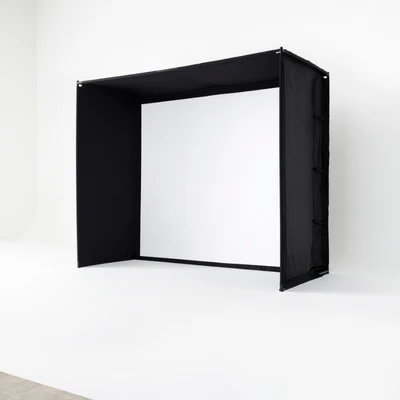
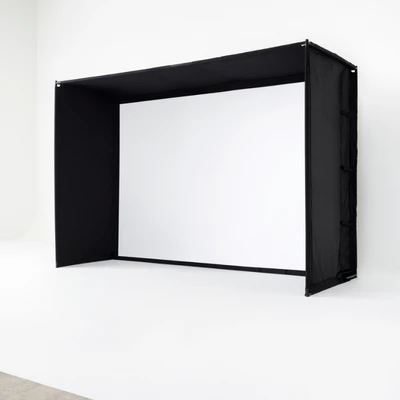
A SkyTrak golf simulator enclosure is a purpose-built hitting bay designed to pair with the SkyTrak ecosystem and create a safer, cleaner, more immersive indoor golf setup. The current SkyTrak enclosure lineup is centered on Studio and Premium Studio style builds, with the brand emphasizing a durable enclosure, high-impact stretch screen, and sturdy frame designed for easier installation and long-term indoor use. Current product pricing places the core SkyTrak enclosure range around $2,995 to $3,495, which positions these enclosures above basic DIY screen kits and closer to a more complete, ready-for-simulator room solution.
That matters because golfers shopping for SkyTrak enclosures are usually not just looking for any generic enclosure shell. They are looking for an enclosure that works well with a camera-based launch monitor setup, supports a realistic home simulator layout, and fits naturally into a garage, basement, or dedicated indoor golf room. The strongest current product pages highlight technical features such as a powder-coated steel frame, a tight-knit polyester or high-impact stretch screen, and side-net or barrier add-ons for better shot containment. That gives this category a more expert, room-planning-focused buying profile than a basic enclosure-only search.
SkyTrak enclosure buyers also tend to care about the full build around the bay. These enclosures are often evaluated together with a simulator screen, the right projector, and a complete golf simulator setup. Side-net accessories are especially relevant here: current product listings for SkyTrak side netting specify barrier protection reaching about 8.5 feet high in one listing and about 9.8 feet deep by 9.8 feet high in another, which reinforces how much this category is about practical containment and room safety, not just visual presentation.
For GolfSimPlanet buyers, the key question is which SkyTrak enclosure type fits the room, the budget, and the simulator experience you want to build. Some golfers want the standard SkyTrak enclosure as the structural core of a clean home golf studio. Others want the Premium Studio version for a more complete, more finished room feel. Others need to add side netting or barrier protection to make the bay safer in a garage or family-use space. Contact our Scottsdale, AZ team if you want help choosing the right SkyTrak enclosure for your room dimensions, projector path, and simulator goals.
SkyTrak Enclosures — What Each Option Is Actually Built For
SkyTrak enclosures are built for golfers who want more than a loose screen and a simple net. They are designed to create a defined simulator bay with a structured frame, an impact-ready screen surface, and a cleaner room presentation that works naturally with the SkyTrak ecosystem. The main SkyTrak enclosure path is centered on the standard SkyTrak Studio Enclosure, the more complete SkyTrak Premium Studio direction, and accessory upgrades such as side netting for wider ball containment. That means the real buying decision is not just “Do I need an enclosure?” It is “How finished, how protected, and how immersive do I want my SkyTrak room to feel?”
SkyTrak Studio Enclosure
Configuration: Mainline SkyTrak enclosure built around a durable frame, impact screen, and dedicated hitting-bay structure. Use case: golfers building a clean garage simulator, basement hitting bay, or home practice room where the enclosure needs to do real work every day. Technical direction: SkyTrak product pages emphasize a sturdy frame, durable enclosure structure, and a high-impact stretch screen designed for easier installation and long-term simulator use. Why choose it: This is the right option when you want a ready-for-simulator enclosure that feels more complete than a basic DIY screen kit and gives the room a defined golf-studio structure.
SkyTrak Premium Studio Enclosure
Configuration: More complete studio-style SkyTrak enclosure path for golfers who want a higher-end room finish and a more polished simulator experience. Use case: dedicated indoor golf rooms, polished garages, and buyers who want the enclosure to feel like a centerpiece of the room rather than just a practical shell. Technical direction: SkyTrak describes the Premium Studio around an enclosure, screen, and frame that is built to last and designed to fit naturally into the simulator space. Why choose it: The Premium Studio route makes sense when room presentation matters as much as shot containment and the buyer wants a stronger all-around studio feel.
SkyTrak Studio 13′ Deep Enclosure
Configuration: Deeper studio-style enclosure format built for golfers who want more front-to-back enclosure presence and a more substantial simulator-bay footprint. Use case: rooms that can support a deeper enclosure and buyers who want a bigger, more protected visual and physical simulator bay. Technical direction: current product listings describe this style with a powder-coated steel frame, a tight-knit polyester or high-impact screen surface, and heavy-duty surrounding materials. Why choose it: This is a strong choice when the room has the depth to support a fuller enclosure and the buyer wants a more substantial and more studio-like hitting environment.
SkyTrak Side Netting / Side Barrier Kit
Configuration: Add-on side barrier protection that attaches to the main enclosure to extend shot containment beyond the screen face. Use case: golfers who hit driver indoors, households with multiple players, garages with nearby walls or storage, and rooms where a little more side protection creates much more confidence. Technical direction: current product listings describe the side netting as a dedicated enclosure add-on that extends barrier coverage on both sides of the bay. Why choose it: This is one of the smartest upgrades when the enclosure itself is solid but the room still needs wider protection against mishits and glancing side strikes.
SkyTrak Enclosure + Full Studio Package
Configuration: SkyTrak enclosure paired as part of a larger simulator-room package that may also include a launch monitor, projector, hitting mat, and other studio components. Use case: buyers who want the enclosure to be part of a coordinated room build rather than a standalone enclosure purchase. Technical direction: these package routes are built around the enclosure as the physical core of the simulator bay, with the rest of the system planned around it. Why choose it: This path makes sense when the enclosure is not an isolated purchase but the foundation of a full indoor golf room designed to work together from day one.
SkyTrak Enclosure Buying Context — Structure, Screen Quality & Room-Fit Priorities
| Core enclosure directions | Studio Enclosure, Premium Studio, deeper studio variants, and side-net upgrades |
| Main structural theme | Durable frame construction designed for repeat indoor simulator use |
| Screen theme | High-impact stretch screen / impact-ready screen surface built for simulator play |
| Frame material direction | Steel-frame construction, with some listings specifically describing powder-coated steel |
| Side-protection path | Dedicated side-netting / barrier accessories for wider shot containment |
| Best-fit room types | Garages, basements, dedicated indoor golf rooms, and protected practice spaces |
| Main buyer priority | A cleaner, safer, more finished enclosure than a loose net or entry DIY screen setup |
| Natural internal pairings | Launch monitor, projector, screen, mat, and full simulator-room planning |
How to Choose the Right SkyTrak Enclosure
Choose by room depth and width first
The best enclosure is the one that fits the actual simulator room correctly. Deeper studio-style options work best when the room can support a fuller enclosure footprint without crowding the hitting area.
Choose the Premium Studio path for a cleaner finished room
If the enclosure is meant to become a polished centerpiece of the room, the Premium Studio direction makes more sense than a simpler enclosure-only path.
Add side netting when safety is a bigger concern
Side barriers are one of the most useful upgrades for golfers who want more confidence with driver, faster ball speeds, or multi-player simulator use in family or garage spaces.
Think in full room compatibility
The enclosure needs to work with the projector, screen size, hitting mat, and monitor placement. A SkyTrak enclosure is strongest when it is chosen as part of the full room plan, not as an isolated part.
SkyTrak Enclosure FAQ
What is included in a SkyTrak enclosure?
SkyTrak enclosure listings describe the core build around the enclosure body, a screen surface, and a structural frame. More complete room packages may add other simulator components around that enclosure foundation.
What is the difference between the SkyTrak Studio and Premium Studio?
The main difference is how complete and premium the room experience feels. The Studio route gives you the core enclosure structure, while the Premium Studio direction is the better fit for buyers who want a more polished and more finished simulator-room result.
Are SkyTrak side nets worth adding?
Yes, especially in garage and family-use rooms. Side nets make sense when you want wider barrier protection and more confidence with faster swings, longer clubs, or multiple players using the bay.
What kind of room works best for a SkyTrak enclosure?
SkyTrak enclosures work best in garages, basements, and dedicated indoor golf rooms where there is enough width, height, and depth to support a true hitting bay and screen projection setup.
Key Features of Our SkyTrak
Key Features of SkyTrak Golf Simulator Enclosures
SkyTrak golf simulator enclosures are built for golfers who want a more complete indoor hitting bay than a basic screen-and-net setup can provide. The strongest technical themes in the current SkyTrak enclosure range are a sturdy steel-frame structure, a high-impact stretch screen, and a more finished studio-style enclosure format designed for regular simulator use in garages, basements, and dedicated golf rooms. Current SkyTrak product listings place the core enclosure line around $2,995 to $3,495, which positions these enclosures above basic entry-level enclosure kits and closer to a more integrated home simulator-room solution.
What makes the SkyTrak enclosure category especially useful is that it is not just about hanging a screen. The enclosure defines the simulator bay, controls ball containment, frames the projected image, and shapes how polished the room feels once everything is installed. Current SkyTrak and retailer product pages repeatedly describe these enclosures around features such as a durable enclosure body, stretch-screen construction, and easy-to-install frame systems, while deeper studio versions and add-on side nets extend the enclosure into a more complete room-protection and room-finish solution.
| Core enclosure direction | Studio and Premium Studio enclosure formats for home simulator bays |
| Main frame construction theme | Sturdy steel-frame design, with some listings specifically referencing powder-coated steel |
| Main screen theme | High-impact stretch screen or impact-ready screen surface designed for repeated simulator use |
| Main structural benefit | A defined, enclosed hitting bay that feels more complete than a loose screen or basic net |
| Main room-use benefit | Cleaner simulator-room presentation for garages, basements, and indoor golf studios |
| Safety-upgrade path | Side-net barrier add-ons for wider shot containment around the main enclosure face |
| Side-net technical detail | Current accessory listings reference side barriers around 8.5 ft high in one listing and about 9.8 ft deep x 9.8 ft high in another |
| Current enclosure pricing range | Roughly $2,995 to $3,495 for core SkyTrak enclosure listings |
| Best-fit buyer | Golfers who want a more finished simulator bay with stronger structure and cleaner room integration |
Steel-frame enclosure structure
One of the most important SkyTrak enclosure features is the structural frame itself. Current product descriptions repeatedly emphasize a sturdy steel-frame build, and some retailer listings specifically mention powder-coated steel. That matters because the frame is what gives the bay its shape, rigidity, and long-term simulator-room feel.
High-impact stretch screen
SkyTrak enclosure listings consistently describe the screen as a high-impact stretch or impact-ready surface. This is a core technical feature because it affects durability, image presentation, rebound behavior, and how well the enclosure handles repeated indoor ball strikes over time.
Studio-style room presentation
These enclosures are built to create a true simulator bay, not just a practice corner. The Studio and Premium Studio direction is especially attractive for golfers who want the room to feel more polished, more immersive, and better organized around the screen, projector, and hitting area.
Side-barrier upgrade path
A major practical feature of the SkyTrak enclosure ecosystem is the ability to extend protection with dedicated side-net accessories. Those add-ons matter for golfers who want better lateral containment, more confidence indoors, and safer use with longer clubs and faster swings.
Better fit for complete simulator builds
SkyTrak enclosures make the most sense when they are chosen as part of the full simulator plan. They pair naturally with the right projector, screen, flooring, and SkyTrak launch monitor, which makes them a stronger choice for golfers building a more complete room.
More finished than entry DIY setups
The biggest practical advantage of this category is that it gives golfers a defined, purpose-built enclosure instead of forcing them to improvise around a loose net or minimal DIY screen system. That raises both the visual quality and the day-to-day usability of the room.
Which SkyTrak enclosure feature matters most for your room?
- Prioritize frame strength if you want a bay that feels more substantial and more permanent in regular use.
- Prioritize screen quality if image presentation, durability, and strike handling matter most in your room.
- Prioritize side-net protection if the space needs extra shot containment around the main screen zone.
- Prioritize full-room compatibility if you are planning around a specific projector, hitting mat, or SkyTrak simulator layout.
If you are still deciding which enclosure features matter most, compare your options alongside our Enclosures, Simulator Screens, Projectors, and Golf Simulators categories before finalizing the room.
📋 Quick summary: the key features of SkyTrak enclosures are sturdy steel-frame construction, high-impact stretch-screen design, studio-style room presentation, side-barrier upgrade options, and a stronger fit for complete home simulator builds. Contact GolfSimPlanet here if you want help choosing the right SkyTrak enclosure for your space.
Why Choose Us When You Shop SkyTrak?
Why Choose Us When You Shop SkyTrak Enclosures?
Shopping for a SkyTrak enclosure is not just about buying a frame and screen. It is about choosing the right hitting-bay structure for the room, the right enclosure depth for the projector path, and the right level of protection for the way the simulator will actually be used. That is where GolfSimPlanet adds value. We help buyers look beyond the product photo and choose the enclosure that fits the real room, the real SkyTrak setup, and the real indoor-golf goal.
That matters because SkyTrak enclosures are usually part of a broader simulator build. The enclosure has to work with the SkyTrak launch monitor, the projector, the screen, the hitting mat, and the room dimensions. Current SkyTrak enclosure listings emphasize a sturdy frame, high-impact stretch screen, and optional side-net protection, which means this category is best handled as a complete room-planning decision rather than a one-part purchase.
Room-first guidance
We help buyers choose the right enclosure based on usable room width, ceiling height, bay depth, and hitting-zone layout so the setup feels balanced and safe once installed.
SkyTrak-specific build thinking
A camera-based SkyTrak setup has its own room-planning logic. We help match the enclosure to monitor placement, ball-to-screen spacing, and the rest of the simulator flow so the room works naturally with the device.
Complete bay planning
The enclosure is strongest when it is planned together with the full room: projector, screen, mat, flooring, and simulator package. We help buyers make those parts work together instead of piecing them together blindly.
Honest advice on upgrades
Not every room needs the most complete enclosure path, and not every room can ignore side-net protection. We help decide when the standard enclosure is enough and when side barriers or a more complete studio layout make more sense.
This is especially important with SkyTrak because the enclosure affects more than looks. It shapes the image area, controls containment, and influences how polished the simulator room feels every time you practice or play. The smartest purchase is not automatically the cheapest enclosure and not automatically the biggest one. It is the one that fits the room correctly, supports the SkyTrak workflow, and creates the right balance of safety, presentation, and long-term usability.
📍 GolfSimPlanet helps with the full SkyTrak enclosure decision path: room-fit planning, Studio vs Premium Studio direction, side-net upgrade decisions, projector compatibility, and full simulator-room layout. Explore related categories like SkyTrak Launch Monitor, Enclosures, Simulator Screens, and Projectors before finalizing the room.
Need help choosing the right SkyTrak enclosure for your simulator room? Contact GolfSimPlanet here and we’ll help you match the right enclosure to your room dimensions, SkyTrak setup, and overall simulator budget.