Bring the Course Indoors with High-Tech Simulators!
FAST & FREE SHIPPING (Exclusions Apply)
Reserve Now & Unlock Special Membership Perks!

Enclosure Packages

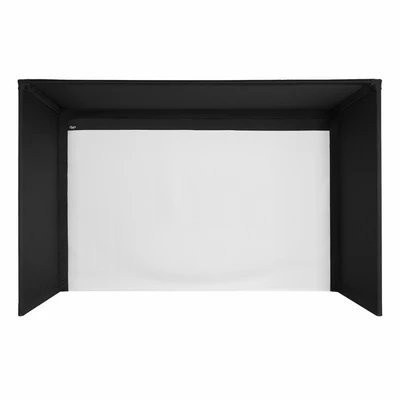
Carls Place C Series Pro

Carl's Place C-Series DIY Golf Simulator Enclosure Package

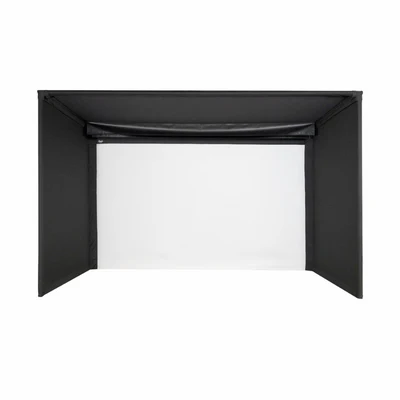
Carls Place C Series Pro With Baffles

Carl's Place C-Series Pro Golf Simulator Enclosure Package

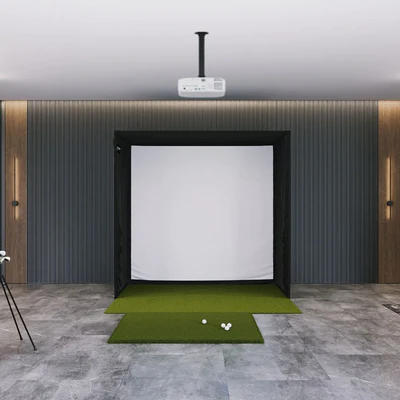
SIG8 Golf Simulator Studio Complete Package Fairway Series

SIG8 Golf Simulator Studio Complete Package

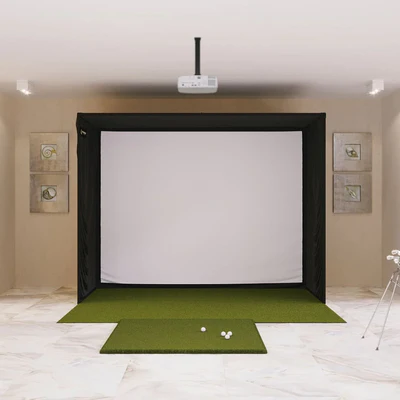
SIG10 Golf Simulator Studio Complete Package Fairway Series

SIG10 Golf Simulator Studio Complete Package

SIG12 Golf Simulator Studio Complete Package Fairway Series

SIG12 Golf Simulator Studio Complete Package

SimBooth 1

SimBooth 1 Golf Simulator Enclosure

SimBooth 2 Standard Walls

SimBooth 2 Golf Simulator Enclosure

SwingBay Enclosure Golf Simulator Package 5x5 Swing Turf

SwingBay Enclosure Golf Simulator Package

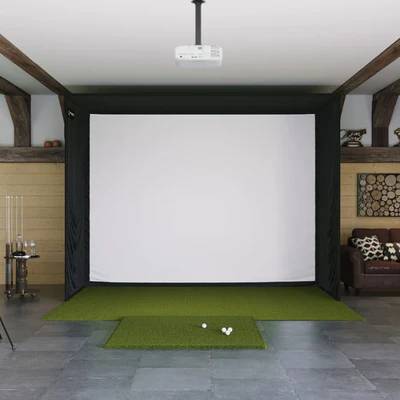
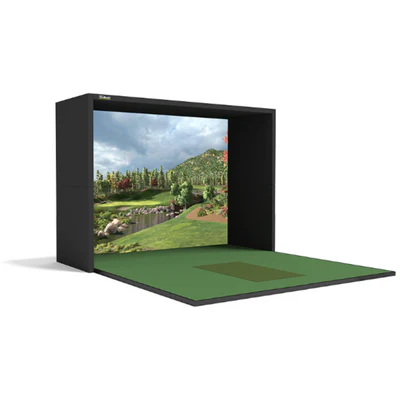
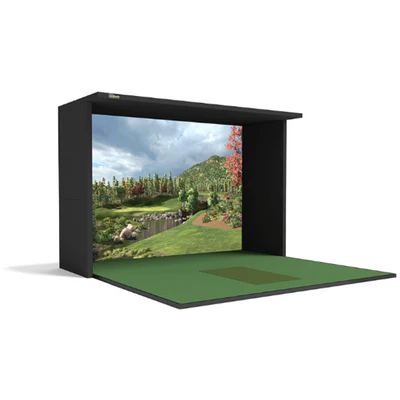
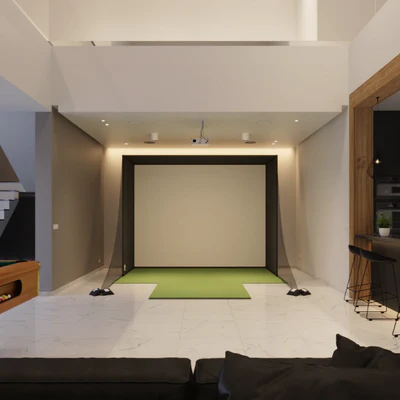
A golf simulator enclosure package is the structural foundation of a true indoor golf simulator room. It creates the protected hitting bay that holds the impact screen, contains mishits, frames the projected image, and determines how safely and realistically the simulator works in a garage, basement, bonus room, or dedicated golf studio. Live SERP results for this topic are heavily dominated by pages from major simulator retailers such as Indoor Golf Outlet, Shop Indoor Golf, Carl’s Place, Rain or Shine Golf, and PlayBetter, and those results consistently position enclosure packages around the same core buying criteria: room size, screen and frame dimensions, DIY vs turnkey assembly, safety and durability, and whether the buyer wants a simple enclosure-only kit or a broader package that can later grow into a complete simulator build.

That search behavior tells us something important about user intent. People searching this page are usually not asking, “What is an enclosure?” in a general sense. They are trying to solve a practical room-planning problem. They want to know which enclosure package size fits their ceiling height and room depth, whether they need a DIY enclosure kit with impact screen or a more complete studio-style bundle, whether a package will work with their preferred projector and simulator software, and how much of the total simulator budget should go toward the enclosure versus the launch monitor, mat, and display system. In other words, this page has strong commercial investigation intent mixed with strong room-fit and product-selection intent.

The live SERP also shows a clear split between entry-level DIY enclosure kits and premium studio-style enclosure packages. Current results surface pricing from roughly $350–$565 at the lower end for basic kit-style products, while premium enclosure and studio packages extend into the $3,000 to $8,000+ range, with some full system bundles going higher once premium materials, larger sizes, or complete simulator integrations are involved. Retailer results repeatedly emphasize features such as impact screen quality, pipe framing kits, actual frame dimensions, custom sizing, and assembly suitability for “real-world spaces.” That means this category is not just about buying a screen holder. It is about choosing the enclosure architecture that defines the entire simulator room experience.

For GolfSimPlanet buyers, the best enclosure package is therefore the one that fits the room dimensions, launch monitor type, projector path, and overall simulator budget — not simply the biggest or cheapest one. Some golfers need a compact DIY enclosure with an impact screen for a garage bay. Others need a more finished studio enclosure package that looks polished in a dedicated indoor golf room. Others want an enclosure package that serves as the central framework for a full simulator build using the right screen, projector, golf simulator package, and hitting area layout. Contact our Scottsdale, AZ team if you want help choosing the right enclosure package for your room dimensions, screen size goals, and long-term simulator plan.

Golf Simulator Enclosure Packages — What Each Type Is Actually Built For

A golf simulator enclosure package is never just “the thing that holds the screen.” It is the structural and visual core of the simulator room. It controls safety, image framing, side protection, screen tension, and ultimately how realistic and polished the simulator feels in actual use. Live SERP results for this category show a very clear commercial split between basic DIY enclosure kits, mid-tier enclosure-and-screen packages, and premium studio-style packages. That means the right enclosure depends less on brand hype and more on whether the buyer wants the cheapest functional setup, a balanced home studio build, or a higher-end finished simulator room with a better visual and structural experience.

DIY Enclosure Kit with Impact Screen

Includes: enclosure shell, impact screen, and depending on the supplier, optional or separate pipe framing components. Configuration: This is the most practical path for golfers who want a real enclosure but still want to control cost, assembly, and final room layout themselves. Use case: garage golf simulators, basement DIY builds, and buyers comfortable sourcing or assembling the frame and finishing the room gradually. Space: best in rooms where dimensions are already known and the buyer wants flexibility over absolute turnkey convenience. Why choose it: This route offers the strongest value for golfers who want a true enclosure structure without immediately paying for a full studio-style package. Live SERP results repeatedly show this category as one of the most common and commercially important enclosure paths.

Compact Home Enclosure Package

Includes: compact enclosure frame, screen, side panels, and room-fit components depending on the package. Configuration: This package type is built for golfers who need an enclosure that fits realistic home spaces rather than oversized commercial-style bays. Use case: single-car garage bays, tighter basement rooms, multipurpose spaces, and buyers who want a safer, cleaner hitting area in a limited footprint. Space: best when ceiling height, width, and depth are workable but not generous. Why choose it: The compact enclosure route matters because many home golfers are not building in ideal rectangular studio rooms. Current ranking pages repeatedly emphasize sizing for real-world spaces, which is exactly why compact packages rank so well.

Studio-Style Enclosure Package

Includes: finished enclosure system, impact screen, frame structure, side protection, and often better visual finishing than entry DIY kits. Configuration: This is the balanced home-golf option between basic DIY kits and top-end commercial-looking simulator bays. Use case: dedicated home golf rooms, polished garage builds, premium basement simulators, and buyers who care about both function and appearance. Space: best in rooms where the enclosure will remain installed permanently and visual integration matters. Why choose it: Studio-style enclosures offer one of the best value-to-finish ratios in the category because they improve aesthetics, containment, and realism without always forcing a jump into the most expensive premium enclosure tier.

Custom-Size or Room-Specific Enclosure Package

Includes: enclosure components sized around the room rather than around fixed stock dimensions, with custom or semi-custom design logic depending on the seller. Configuration: This package type is for buyers whose room dimensions are unusual or restrictive and who cannot use standard enclosure sizing efficiently. Use case: low-ceiling rooms, narrow hitting bays, built-in golf rooms, and higher-intent simulator projects where fit precision matters more than lowest cost. Space: ideal when every inch of width, height, or depth matters. Why choose it: Live SERP results show repeated emphasis on actual frame dimensions and custom-fit solutions, which tells us that enclosure buyers care deeply about room-match accuracy and not just generic size labels.

Premium Complete Enclosure Studio

Includes: premium enclosure system, impact screen, higher-finish structure, and often a stronger pathway into full simulator-room builds with projector, flooring, and integrated component planning. Configuration: This is the enclosure category for buyers who already know the room is becoming a serious long-term simulator environment. Use case: premium home golf studios, luxury garages, dedicated entertainment rooms, and buyers who want the enclosure to look and behave like the centerpiece of the whole simulator. Space: best in rooms intentionally planned around indoor golf use and higher visual standards. Why choose it: Premium enclosure packages are the right move when the enclosure is not just a practical barrier but a core part of the final indoor-golf experience. Live results show this premium tier regularly moving into the multi-thousand-dollar range.

Enclosure Package Context — Room Fit, Safety, Screen Quality & Budget Range

Dominant page type in current SERP commercial category pages for enclosure kits, studio enclosures, and DIY screen packages
Main user intent choose the right enclosure package for room dimensions, safety level, and simulator budget
Low-end visible price signals in live SERP roughly $350–$565 for simpler entry DIY-style enclosure products
Mid-to-premium visible price signals in live SERP roughly $1,000 to $8,000+ depending on size, finish, and package completeness
Most repeated commercial features impact screen quality, real frame dimensions, pipe framing kits, custom sizing, ease of assembly, real-world room fit
Main safety role of enclosure contain shots, frame the hitting area, and protect the room around the screen zone
Main visual role of enclosure create a clean simulator bay and improve immersion around the projected image
Most important compatibility factors room height, room width, room depth, screen size, projector throw, hitting zone, launch monitor type
Best-fit buyer profiles DIY buyers, balanced home-studio buyers, and premium room-first simulator planners

How to Choose the Right Golf Simulator Enclosure Package

Choose by room size first, not by brand first

The enclosure has to fit the room correctly before anything else matters. Width, height, and depth should define the first buying filter, not just the popularity of a given enclosure line.

Choose DIY if flexibility and value matter most

DIY enclosure kits are best for buyers who want to control cost, customize the room gradually, and solve parts of the project themselves without paying for a more finished studio package.

Choose studio packages if finish quality matters

If the enclosure will be a permanent part of the room, the more polished studio-style package is often the smarter long-term move because the enclosure defines how the whole simulator looks and feels.

Think in full-system compatibility, not enclosure alone

The right enclosure has to work with the screen, projector, launch monitor, and hitting-zone geometry. The enclosure is not a standalone decision.

Golf Simulator Enclosure Package FAQ

What is included in a golf simulator enclosure package?

Live SERP patterns show that most enclosure packages are built around some combination of the enclosure shell, impact screen, side protection, framing components or pipe kits, and sometimes room-specific structure or studio-finish elements. The exact scope varies widely by package tier.

How much does a golf simulator enclosure package cost?

Current live results show entry enclosure products starting around the mid-hundreds of dollars, while more complete studio and premium enclosure systems regularly extend into the thousands and sometimes well beyond that depending on size and completeness.

Should I buy a DIY enclosure kit or a studio enclosure package?

DIY enclosure kits are usually better for buyers who want maximum value and flexibility. Studio enclosure packages are usually better for buyers who want a more finished simulator room with better visual integration and less assembly guesswork.

What matters most when choosing an enclosure package?

The most important factors are room size, screen size, safety coverage, frame dimensions, launch monitor compatibility, and how the enclosure fits the rest of the simulator system rather than just the package price alone.

Key Features of Our Enclosure Packages

Key Features of Our Enclosure Packages

The most important thing to understand about a golf simulator enclosure package is that it is not just an accessory around the screen. It is the structural system that defines how safe, immersive, and visually finished the simulator room will feel. In current live search results, the enclosure pages that rank best consistently emphasize the same core feature set: impact screen performance, frame design, room-fit sizing, ease of assembly, and suitability for real-world home spaces. That is exactly why enclosure packages matter so much in simulator planning: the enclosure determines whether the room feels like a true golf simulator bay or just a hitting mat pointed at a loose screen.

From an intent and room-planning perspective, the best enclosure package is not simply the biggest or most expensive one. It is the one whose structural features align correctly with the room dimensions, the screen size, the intended projector, the type of launch monitor, and how permanent the simulator is meant to be. That is why the strongest enclosure packages are always judged by features that improve safety, durability, screen presentation, and full-system compatibility — not by fabric alone.

Most repeated live-SERP feature theme Room-fit enclosure sizing for real-world home spaces
Key visual-performance feature Impact screen integration and clean image framing
Key structural feature Frame design, pipe-kit logic, and enclosure rigidity
Key safety feature Side and surround containment for mishits and indoor room protection
Key buying-decision feature DIY flexibility vs more finished studio-style convenience
Key compatibility feature Fit with projector, screen, hitting zone, and launch monitor geometry
Main low-end price signals in current results Roughly $350–$565 for simpler enclosure-entry products
Main mid-to-premium price signals in current results Roughly $1,000–$8,000+ depending on size, finish, and completeness
Best-fit user outcome A safer, cleaner, more immersive simulator bay that works as a complete room system

Room-fit sizing that matches real spaces

One of the most important enclosure features is correct sizing for actual garage, basement, and spare-room dimensions. The best enclosure package is the one that gives the golfer enough hitting width, enough height for the full swing, and enough depth for safe ball-to-screen spacing without wasting the room.

Impact screen integration and image framing

A quality enclosure package does more than hold a screen in place. It creates the visual frame of the simulator. That improves projector presentation, image focus, and immersion, and it also helps the room feel more like a finished simulator bay instead of a temporary practice area.

Safe side protection and shot containment

A true enclosure package improves safety by helping contain shanks, glancing driver strikes, and rebound risk around the impact zone. This is one of the most practical reasons enclosure packages rank so strongly in search: buyers are not only shopping for immersion, they are shopping for room protection.

DIY flexibility or studio-finish convenience

The best enclosure packages clearly signal whether they are built for DIY value or for a more polished studio outcome. That matters because buyers searching this category often need to choose between lower-cost assembly flexibility and a higher-finish enclosure that looks more complete from day one.

Frame structure that supports long-term use

The enclosure frame matters as much as the fabric and screen. Pipe framing logic, rigidity, and how the enclosure holds shape under repeated indoor use all affect how safe and stable the simulator feels over time.

Full-system compatibility

A good enclosure package works correctly with the rest of the simulator. It has to fit the screen, projector throw, hitting mat, and chosen simulator hardware so the whole room works together instead of fighting itself.

Which enclosure feature matters most for your setup?

  • Prioritize room-fit sizing if you are building in a tight garage, basement, or multi-use space.
  • Prioritize frame and safety design if the simulator will be used often with drivers, faster ball speeds, or multiple players.
  • Prioritize screen and visual finish if the room is meant to feel like a polished home studio, not just a practice corner.
  • Prioritize system compatibility if you are already choosing around a specific golf simulator package, projector, or monitor type.

If you are still deciding what matters most, compare your enclosure options alongside our Simulator Screens, Projectors, Portable Launch Monitors, and Golf Simulators categories before finalizing the room.

📋 Quick summary: the key features of a strong enclosure package are room-fit sizing, safe shot containment, impact screen integration, structural frame quality, and compatibility with the rest of the simulator system. Contact GolfSimPlanet here if you want help matching the right enclosure package to your room and simulator plan.

Why Choose Us When You Shop Enclosure Packages?

Why Choose Us When You Shop Enclosure Packages?

Shopping golf simulator enclosure packages is not just about buying a frame and a screen. It is about choosing the structural system that determines how your simulator will fit the room, protect the space, present the image, and ultimately feel during every session. That is where GolfSimPlanet adds value. We do not treat enclosure packages like interchangeable boxes. We help buyers match the enclosure to the real room dimensions, the swing space, the screen size, the hitting-zone layout, and the broader simulator plan so the enclosure works as the center of the build instead of becoming the weak point in it.

That matters because live search results for this category are full of very different enclosure paths: entry DIY kits, compact home enclosures, studio-style systems, and premium room-first packages. On the surface, many of them can look similar. In practice, they solve very different problems. Some are best for value-focused DIY builds. Others are meant for cleaner, more polished rooms where finish quality and long-term visual integration matter more. GolfSimPlanet helps buyers understand that difference early, before they commit to the wrong enclosure size, the wrong frame type, or a package that does not work correctly with the rest of the simulator.

Room-fit guidance first

We help buyers choose enclosure packages based on real room width, height, and depth first. That prevents one of the biggest enclosure mistakes: buying based on a product photo instead of the actual usable simulator space.

Whole-system planning

An enclosure only works properly when it is matched with the right impact screen, projector, hitting mat, and launch monitor workflow. We help make sure the enclosure fits the whole simulator rather than just one part of it.

DIY vs studio clarity

Some buyers should absolutely choose a DIY enclosure kit. Others should not. We help separate value-driven DIY buyers from buyers who will be happier with a more finished studio-style enclosure package from day one.

Safer, cleaner final setup

We think beyond the enclosure listing itself and focus on the finished outcome: screen presentation, side protection, rebound control, visual cleanliness, and how the simulator bay will actually feel when the room is complete.

This is especially valuable in the enclosure category because the smartest purchase is rarely the cheapest enclosure and rarely the biggest enclosure. It is the one that fits the room correctly, supports the image size you want, works with the projector throw and hitting position, and leaves the rest of the simulator budget in the right place for the simulator package, software, and hardware choices that come next. GolfSimPlanet helps buyers make that enclosure decision strategically instead of treating it like a generic accessory purchase.

📍 GolfSimPlanet helps with the full enclosure-package decision path: room-size matching, DIY vs studio selection, screen and projector compatibility, hitting-bay planning, and whether the enclosure should anchor a value build or a premium simulator room. Explore related categories like Simulator Screens, Projectors, Golf Simulators, and Enclosures before finalizing the package.

Need help choosing the right enclosure package for your simulator room? Contact GolfSimPlanet here and we’ll help you match the right enclosure package to your room dimensions, screen goals, simulator hardware, and total build budget.