- Home
- Hitting Strips
Hitting Strips
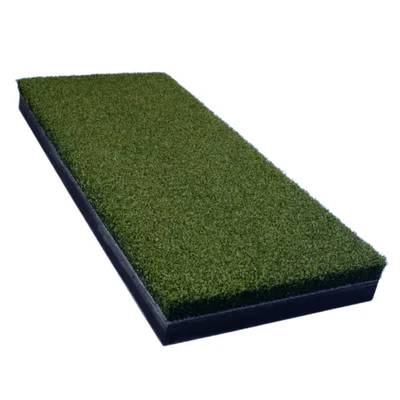
SIGPRO Softy Hitting Strip
Uneekor EYE XO2 Trouble Mat
SIGPRO Softy LITE Hitting Strip
SIG Preferred Hitting Strip
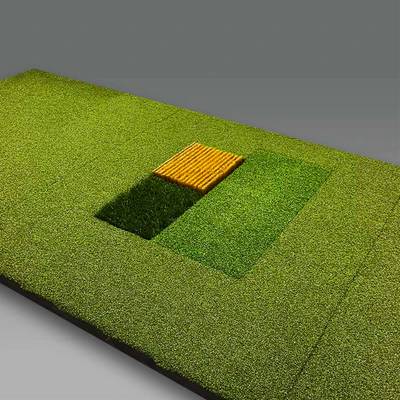
Carl's Place HotShot Hitting Strips
SIGPRO Softy XL Hitting Strip
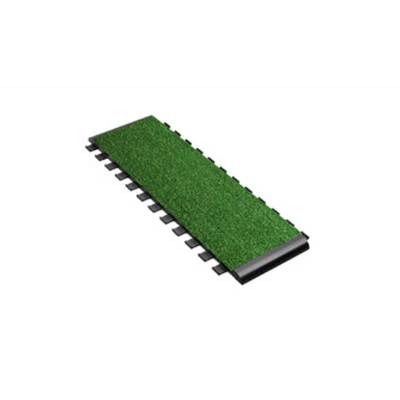
TrueStrike Range Mat Section
SIGPRO 3D Hitting Strip
SwingTurf Hitting Strip
A hitting strip is built for the most important part of the practice surface: the exact section where the club strikes the turf. That is what makes this category so useful. Instead of replacing an entire mat when the hitting area wears down, or forcing a full drop-in mat into a room that would work better with a cleaner custom build, a hitting strip lets you focus performance where it matters most. It gives you more control over feel, forgiveness, durability, tee use, and how naturally the hitting surface fits into the rest of the simulator room.
The current market around golf hitting strips is very practical. Buyers are usually not looking for a generic turf insert. They are comparing products for two clear reasons: replacing a worn hitting zone inside an existing mat, or building a dedicated strike area into simulator flooring, a stance platform, or a DIY subfloor. That is why this category keeps returning to the same real decision points: softer versus firmer feel, joint comfort versus sharper turf feedback, real-tee compatibility, installation height, and long-term durability. DataForSEO also confirms that the intent here is strongly transactional, which fits exactly with the way buyers compare these products in practice.
The current product set reflects those differences clearly. The SIG Preferred Hitting Strip is positioned as the original firmer insert with realistic fairway-style response and real-tee use. The SIGPRO Softy Hitting Strip moves toward a softer and more forgiving feel. The SIGPRO 3D Hitting Strip is built for heavier durability. And Carl’s HotShot Hitting Strips go even further by offering three different insert types: a versatile Standard strip, a more joint-friendly Foam Divot strip, and a more realistic Gel Divot strip. Those are meaningful differences for golfers, because they directly affect how the strip feels during repeated indoor practice. :contentReference[oaicite:5]{index=5}
For GolfSimPlanet buyers, the real question is which type of hitting strip best fits the room and the way you practice. Some golfers want a softer insert because comfort and repeated simulator use matter most. Others want firmer turf response because they care more about realistic strike feedback. Others want a strip that accepts a real tee for fuller driver practice. And others want a lower-profile insert that sits cleanly inside a custom room build with mats, flooring, and a dedicated stance area. Contact our Scottsdale, AZ team if you want help choosing the right hitting strip for your simulator room, mat replacement, or custom flooring build.
How to Choose the Right Hitting Strip
The best hitting strip depends on one thing above all else: what you want the strike to feel like in the exact moment the club enters the turf. That is why golfers shop this category differently from full mats. A hitting strip is not just a smaller surface. It is the dedicated impact zone inside a simulator room, a mat replacement setup, or a custom flooring build. For some golfers, the priority is a softer feel that makes repeated indoor practice easier on the body. For others, it is firmer turf response that gives clearer feedback on fat shots. For others, the priority is real-tee use, heavier durability, or a lower-profile insert that sits cleanly inside a DIY platform or simulator floor.
That is why this category matters so much in a serious simulator build. A full mat can give you a ready-made surface, but a hitting strip gives you much more control over the part of the setup that actually affects impact. It lets you separate the stance area from the hitting area, which is one of the most useful design decisions in a custom golf room. The stance platform can be built around stability, flooring transition, and room finish, while the strip itself can be chosen for softness, realism, tee compatibility, or longer-term durability. For golfers building a room that feels more intentional and more refined, that separation usually creates a better result than treating the whole floor as one generic surface.
The current product set also shows that buyers are not choosing between identical inserts. Some strips are built for a softer and more forgiving experience. Others are designed to stay firmer through impact and deliver stronger turf feedback. Some are better when you want a real tee. Some are better when the room needs a flush inlay into flooring or a stance deck. Some are designed for heavier-use environments where the hitting zone has to hold up over time. In practice, the real buying decision is not “which strip is best?” It is “which strip is best for my body, my swing, my room, and the way I actually practice?”
Choose a softer strip for comfort and frequent indoor practice
A softer hitting insert is usually the better fit for golfers who practice often and want the impact zone to feel more forgiving on the wrists, elbows, and shoulders over time.
Choose a firmer strip for sharper turf feedback
If you want the club to react more clearly through the turf and prefer a more traditional fairway-style response, a firmer strip can be the stronger choice.
Choose real-tee compatibility for fuller driver practice
For golfers who want a more natural driver session, the ability to use a real tee can matter just as much as the feel of the turf itself.
Choose a lower-profile insert for cleaner simulator flooring builds
If the strip will be installed inside a custom floor or stance platform, overall height matters. A lower-profile insert can make the full hitting area feel cleaner and more integrated.
Choose a more durable strip for heavier-use rooms
In busier simulator spaces, teaching bays, or shared golf rooms, durability becomes one of the most important features because the hitting strip takes the most repeated wear in the setup.
Choose by the full build, not just by the insert itself
A hitting strip only performs properly when it works with the stance surface around it. That is why strip choice should always be connected to the mat, flooring, platform height, and the overall room design.
What matters most when choosing a hitting strip?
- Impact feel if you care most about softness versus firmer turf response.
- Comfort if you practice frequently and want a more forgiving hitting zone.
- Real-tee use if driver practice is a major part of the setup.
- Durability if the room will see heavier or more frequent use.
- Install height if the strip needs to sit flush inside flooring or a DIY platform.
- Room integration if you are building a cleaner simulator layout around a separate stance area.
If you are still comparing surface options, explore our Mats, Mat Accessories, Enclosures, and Golf Simulators categories before finalizing your setup.
Hitting Strip FAQ
What is the difference between a hitting strip and a full golf mat?
A hitting strip is the dedicated turf insert where the club strikes the surface, while a full mat combines the stance area and the hitting area into one larger piece.
Are hitting strips better for simulator rooms?
They often are for custom builds, because they let you separate the stance platform from the impact zone and create a cleaner, more controlled simulator floor design.
Should I choose a soft or firm hitting strip?
A softer strip is usually better for golfers who want more comfort during repeated practice, while a firmer strip can be better for players who want stronger turf feedback.
Who should buy a hitting strip instead of a full mat?
A hitting strip is usually the better fit for golfers replacing a worn strike zone, building a custom simulator floor, or wanting more control over the exact feel of the impact area.

Key Features of Our Hitting Strips
The biggest advantage of a hitting strip is that it gives you control over the most important part of the hitting area: the exact place where the club enters the turf. That makes a real difference in a simulator room. Instead of treating the whole floor like one large mat, a hitting strip lets you fine-tune the feel of the impact zone itself. You can choose a surface that feels softer and more forgiving, firmer and more traditional, more durable for frequent use, or easier to integrate into a custom floor build. For golfers who care about how indoor practice really feels, that level of control matters.
Another major strength of hitting strips is flexibility. They work well in several kinds of setups: as a replacement for a worn section inside an existing mat, as the dedicated strike zone inside a DIY subfloor, or as part of a more refined simulator room with separate stance turf and surrounding flooring. That makes them especially useful for golfers who want a cleaner build and a better long-term surface solution instead of replacing an entire mat every time the hitting area wears down.
| Main advantage | Dedicated impact-zone performance where the club actually strikes the turf |
| Comfort options | Softer surfaces for golfers who want a more forgiving feel during repeated practice |
| Turf-response options | Firmer strips for golfers who want clearer strike feedback and a more traditional feel |
| Driver-practice feature | Selected strips support real-tee use for more natural full-bag practice |
| Build flexibility | Works for mat replacement, DIY subfloors, custom stance platforms, and flush floor installs |
| Durability | More rugged options for busier simulator rooms and heavier use |
| Replacement value | Lets you refresh the strike area without replacing the entire mat |
| Custom-fit choices | Different strip styles for different swing feel, room design, and usage level |
Better control over impact feel
A hitting strip lets you choose exactly how the club should feel through the turf. That makes it easier to build a hitting area around comfort, realism, or a balance of both.
Cleaner custom simulator builds
A hitting strip is often the better choice when you want a more finished simulator room. It can sit inside flooring or a dedicated stance platform instead of looking like a single large drop-in mat.
Easier long-term upkeep
Because the hitting strip focuses wear into one replaceable area, it can be a more practical long-term solution than replacing a full mat once the strike zone starts to break down.
Soft and firm feel choices
Some golfers want a softer, easier-on-the-body surface. Others want a firmer strip that gives clearer feedback on strike quality. This category gives you both directions.
More natural driver sessions
For golfers who want full-bag practice, real-tee compatibility can make a big difference. It helps the hitting strip feel more natural during driver sessions.
Better fit for busy rooms
In higher-use simulator spaces, the hitting strip takes the most punishment. More durable strip options help the room stay consistent and usable for longer.
Which hitting-strip feature matters most for your build?
- Prioritize comfort if you practice often and want a more forgiving impact zone.
- Prioritize turf response if you want firmer, more traditional strike feedback.
- Prioritize real-tee use if driver practice matters in your setup.
- Prioritize install height if the strip needs to sit cleanly inside flooring or a custom platform.
- Prioritize durability if the room will see heavier or more frequent use.
If you are still comparing impact surfaces, explore our Mats, Mat Accessories, Enclosures, and Golf Simulators categories before finalizing your build.
📋 Quick summary: the key features of our hitting strips are dedicated impact-zone performance, soft and firm feel choices, real-tee compatibility, easier strike-zone replacement, cleaner floor integration, and stronger durability for rooms that see more use.
Why Choose Us When You Shop Hitting Strips?
Shopping for hitting strips is different from shopping for a full golf mat. The real decision is not only about width, thickness, or price. It is about how the impact zone will actually feel when you swing, how it will fit into the rest of the room, and whether it gives you the right mix of comfort, turf response, durability, and long-term practicality. That is where GolfSimPlanet adds value. We help buyers choose the right strip for the way they really practice, not just the one with the most attention.
That matters because hitting strips solve several very different problems. Some golfers need a softer insert because they practice often and want a more forgiving feel. Others want a firmer strip that gives clearer feedback through impact. Others are replacing a worn strike zone inside a mat and want the smartest long-term solution. And others are building a cleaner simulator floor where the strip needs to sit naturally inside a stance platform or surrounding flooring. In other words, the best hitting strip is not just the one that fits the opening. It is the one that fits the golfer, the room, and the way the setup will be used over time.
Impact-zone-first guidance
We help buyers focus on the part of the surface that matters most: the exact zone where the club strikes the turf. That leads to better decisions than comparing strips only by size or price.
Comfort-versus-feedback clarity
Some golfers need a softer insert. Others want firmer, more traditional turf response. We help make that difference clear before you commit to the wrong feel.
Build-fit thinking
A hitting strip only works properly when it fits the mat, stance area, flooring height, and room layout around it. We help buyers think about the full hitting area, not just the insert in isolation.
Long-term practicality
The smartest strip is often the one that makes more sense after months of use, not just on day one. We help buyers think through wear, replacement, durability, and room use from the start.
This is especially important with hitting strips because the wrong impact surface can affect every session. A strip that feels too harsh can make practice less enjoyable. A strip that sits awkwardly in the floor can make the setup feel unfinished. A strip that wears too quickly can become frustrating and expensive. GolfSimPlanet helps buyers make a more confident decision from the start so the hitting area feels right now and still makes sense later.
📍 GolfSimPlanet helps with the full hitting-strip decision path: choosing between softer and firmer inserts, deciding on real-tee and flush-install options, planning around mats, mat accessories, and custom flooring, and matching the impact surface to the rest of your simulator setup.
Need help choosing the right hitting strip? Contact GolfSimPlanet here and we’ll help you match the right insert to your room, your swing, and the way you actually practice.